Why We Build Sealed Crawl Spaces in Charlotte Custom Homes
By Eric Brown, Founder, Everett Custom Homes
Some of the most important decisions in a custom home involve areas you rarely see. The crawl space is one of them.
At Everett Custom Homes, our position is straightforward: when we build a home with a crawl space, we build it sealed and conditioned—unless floodplain requirements and the site-specific foundation design require a different approach.
This is not simply a finish preference. It is a decision about controlling moisture beneath the home, protecting the materials above it, supporting indoor air quality, improving the operating environment for HVAC equipment, and building for the conditions our homes actually face.
What Is a Sealed Crawl Space?
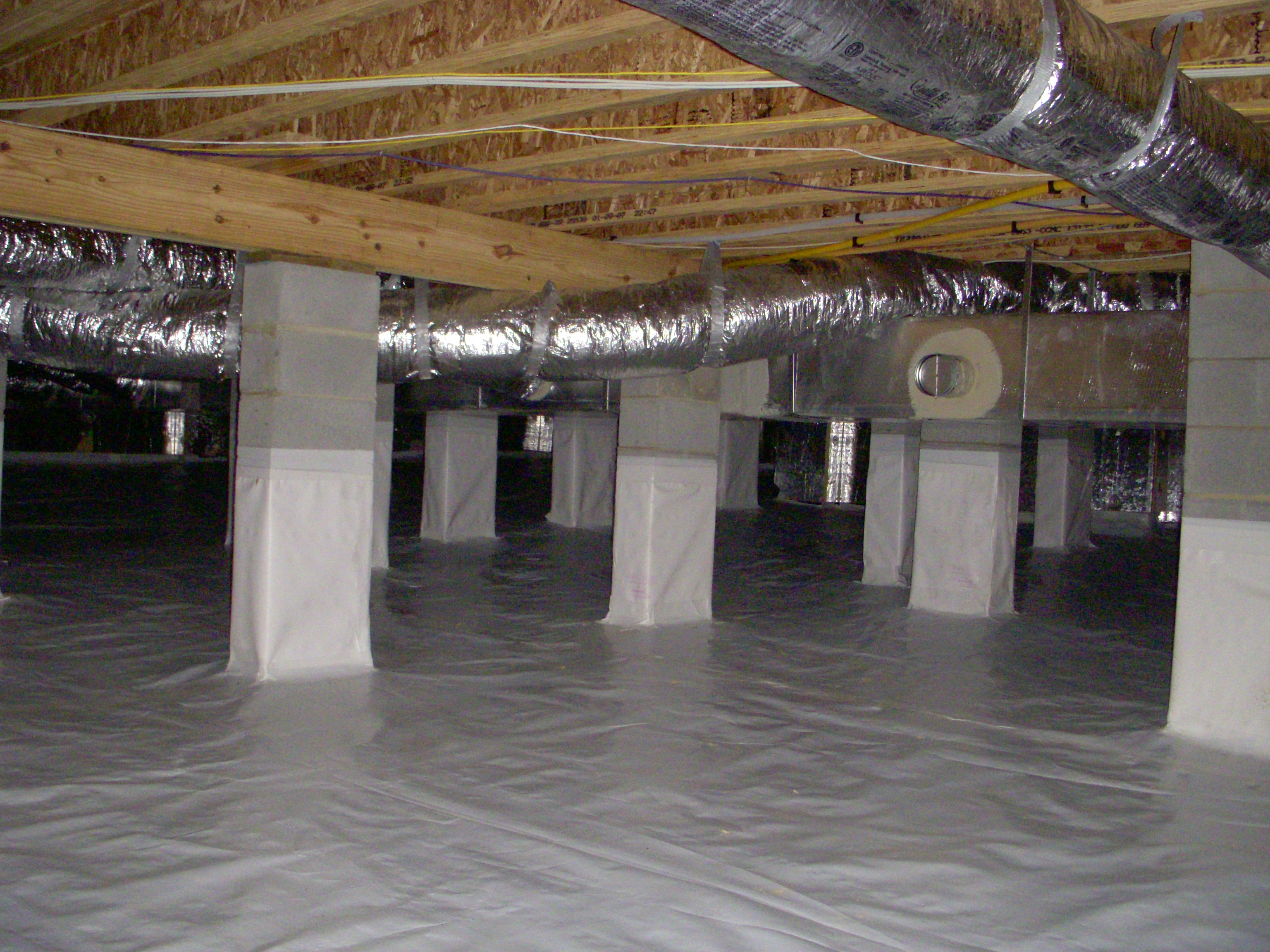
A sealed crawl space is the area beneath a home that is deliberately closed off from uncontrolled outdoor airflow, with a sealed ground vapor barrier and a designed moisture-control system.
You may also hear the term “encapsulated crawl space.” Encapsulation generally describes the moisture-barrier and sealing work; conditioning and dehumidification address the environment inside that enclosure.
The complete approach involves ground-moisture protection, air sealing, insulation, drainage, and a way to manage humidity. Simply putting plastic on the ground and closing the vents is not the whole system. Building America Solution Center: Unvented, Insulated Crawlspaces.
Why Humid Outdoor Air Can Make a Crawl Space Wetter
During our hot, humid summers, opening foundation vents can introduce moisture rather than remove it.
When humid outdoor air encounters surfaces below its dew point, water can condense on those surfaces. In a crawl space, that can include cold ductwork, HVAC components, pipes, and portions of the floor assembly. Building Science Corporation identifies this as a fundamental problem with ventilating crawl spaces with humid outdoor air. Conditioned Crawlspace Construction, Performance and Codes.
Think about a cold glass sitting outside on a summer afternoon. The glass is not leaking. Moisture from the surrounding air is collecting on its cold surface.
The same principle applies beneath a home. Bringing in more humid air does not necessarily dry the space; it can keep feeding the problem.
Why Moisture Beneath the Home Matters
Persistent dampness can create conditions favorable to mold growth. The EPA specifically identifies high-humidity crawl spaces as potential locations for hidden mold and explains that moisture from a crawl space can migrate into other parts of a building. EPA: Mold Course, Chapter 2.
Moisture beneath the home can also affect the hardwood floors above it. Excess humidity and moisture movement can contribute to wood movement, cupping, crowning, gaps, and other flooring concerns. Maintaining a more stable environment beneath the home helps support the long-term performance and appearance of hardwood flooring.
A sealed, conditioned crawl space also creates a more stable environment for HVAC equipment and related components when they are located beneath the home, as they are in many custom homes. Instead of operating in hot, humid, and fluctuating outdoor conditions, the equipment can operate in an environment closer to room temperature with controlled humidity. That can reduce environmental stress on the equipment and support its long-term reliability and service life.
That is why we do not treat the crawl space as an unrelated area beneath the house. It is part of the home’s overall moisture-management strategy and can influence the durability of the home, the performance and longevity of mechanical equipment, and the quality of the indoor environment.
Our goal is to create a controlled environment beneath the living space, rather than leave its conditions dependent on the weather outside.
We Use Professional-Grade Crawl-Space Dehumidifiers
At Everett Custom Homes, we use professional-grade dehumidifiers from manufacturers such as AprilAire and Santa Fe, selecting equipment designed for crawl-space applications.
These manufacturers offer crawl-space-specific equipment and sizing guidance. Examples include the AprilAire E070 crawl-space dehumidifier and Santa Fe’s crawl-space-rated Advance90.
Some Crawl Spaces Need More Than One
One dehumidifier is not automatically enough for every home.
We recently completed a crawl space with three dehumidifiers. The system needed to serve the crawl space beneath that particular home, not meet an arbitrary one-unit standard.
Crawl-space size is a major consideration. Its height, layout, air circulation, moisture conditions, and the capacity of the selected equipment also affect the design. Even manufacturer coverage guidance makes assumptions about the space—for example, Santa Fe’s published sizing distinguishes crawl-space and basement ceiling heights. Santa Fe: Advance90 Specifications.
The point is simple: the equipment must fit the space.
We Also Supply Conditioned Air From the HVAC System
Along with dedicated dehumidification, we provide supply-side air from the home’s HVAC system to our sealed crawl spaces—cooled air during air-conditioning operation and heated air during heating operation.
That supply is incorporated into the mechanical design, with appropriate airflow and an air-return or transfer pathway. Building America guidance describes conditioned supply air as an approach to crawl-space conditioning. Unvented, Insulated Crawlspaces.
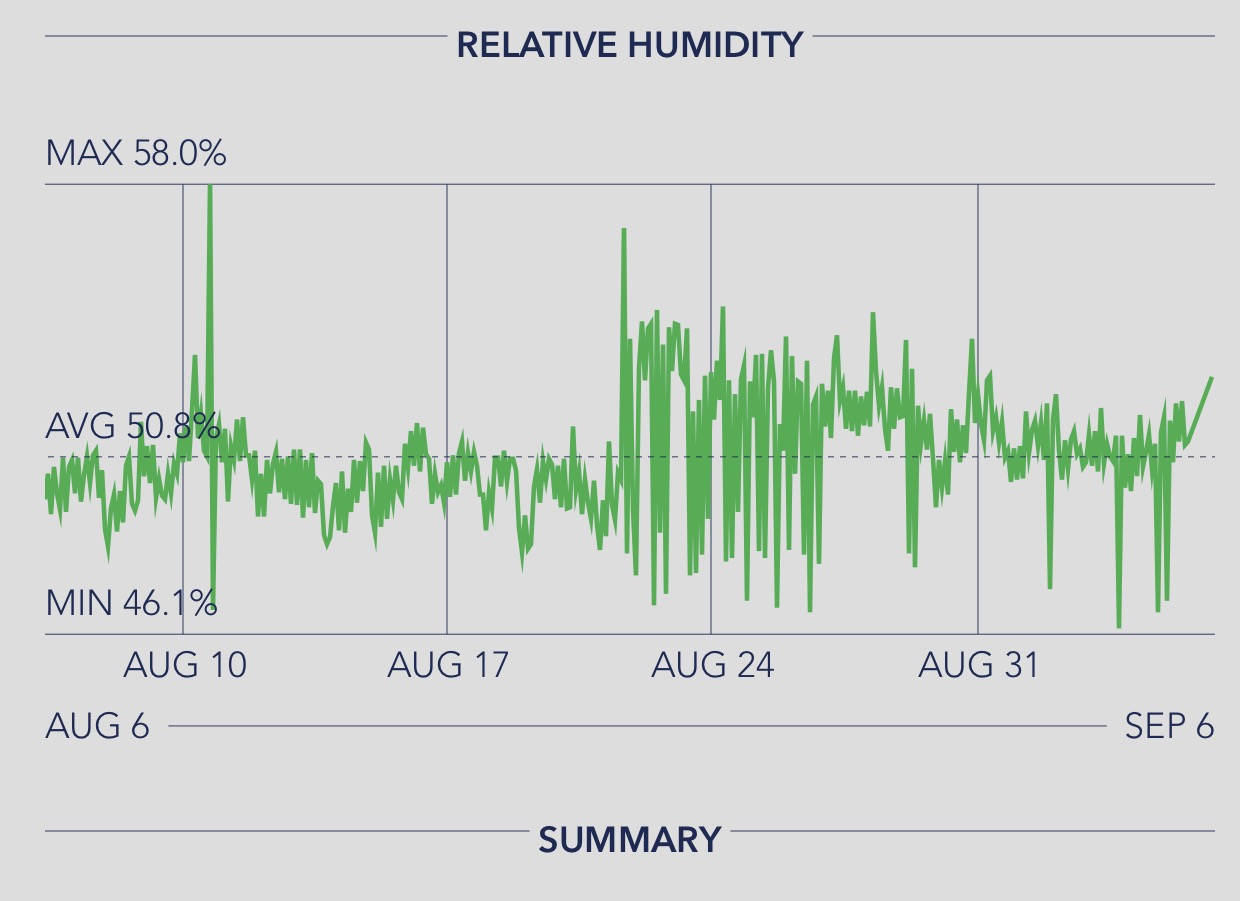
For our homes, HVAC conditioning and dedicated dehumidification work together. We do not consider the supply-air connection a substitute for the dehumidifiers we install, and we monitor humidity to assess actual conditions.
When HVAC equipment is located in the crawl space, this conditioning provides an additional benefit. The equipment operates in a more stable environment with temperatures and humidity closer to room conditions, rather than being exposed to the extreme heat, cold, and moisture fluctuations found outdoors. That more consistent environment can help reduce stress on the equipment and support longer service life.
A more controlled crawl-space environment can also benefit indoor air quality. Air from the crawl space can influence the living areas through air leakage, ductwork, plumbing penetrations, electrical openings, and other pathways. Reducing excess moisture and limiting uncontrolled air movement helps reduce the conditions that can contribute to musty odors, mold growth, and other indoor-air concerns.
Moisture Control Starts During Construction
We consider running dehumidifiers during construction essential—not something to postpone until move-in.
New construction introduces moisture through materials and weather exposure. The EPA notes that fresh concrete, lumber, and other construction materials can hold and release substantial moisture, and emphasizes keeping materials dry during construction. EPA: Moisture Control and Building Materials.
As construction progresses, we use dehumidification to help manage that moisture. Depending on the size and conditions of the crawl space, more than one unit may be needed.
Managing moisture during construction helps protect wood framing, flooring materials, HVAC equipment, and other components before the home is complete. It also supports a cleaner, more stable indoor environment as the home moves toward occupancy.
Dehumidification also does not replace drainage or correction of water intrusion. Those problems must be addressed directly. Building America: Water Management of Existing Crawlspace Floors.
The Floodplain Exception: A Home We Are Building Now
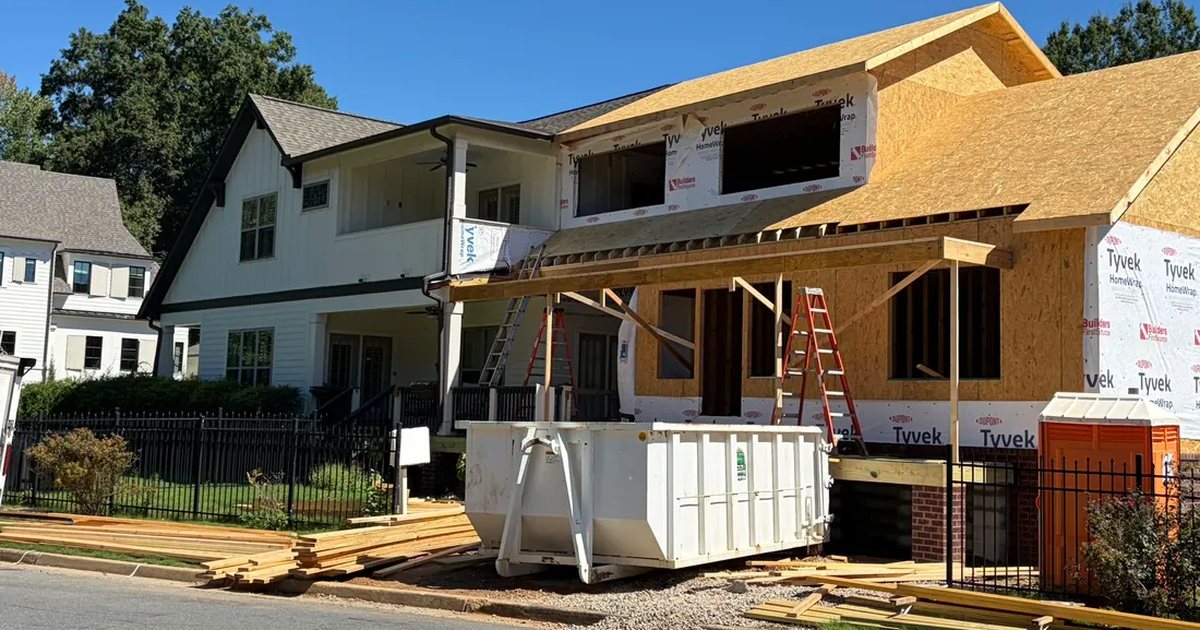
We are currently building a home in a floodplain where we cannot use a sealed or encapsulated crawl space.
For this particular home, the foundation must follow a different approach because of its site-specific floodplain requirements.
Floodplain construction involves considerations beyond everyday humidity control. FEMA provides guidance on crawl-space construction and openings that allow floodwater to enter and exit certain enclosures below the base flood elevation, helping equalize pressure on foundation walls. FEMA: National Flood Insurance Technical Bulletins.
This does not mean every floodplain property requires exactly the same foundation. The applicable flood designation, elevations, local requirements, and engineered design determine the appropriate solution.
Our current project is a real example of why that exception matters.
Why This Is Our Standard
A custom home’s quality includes the systems and construction details beneath its finished rooms.
For Everett Custom Homes, that means taking crawl-space moisture seriously: sealing the enclosure, managing ground moisture, installing professional-grade dehumidifiers, supplying conditioned air, and monitoring humidity.
This approach can help protect hardwood floors, support more stable building materials, provide a better operating environment for HVAC equipment located in the crawl space, support longer equipment service life, and contribute to better indoor air quality by reducing excess moisture and uncontrolled air movement beneath the home.
Unless floodplain requirements and the site-specific design require a different approach, a sealed, conditioned crawl space is the only type of crawl space we will build.
It is part of how we approach long-term quality in the Charlotte-area custom homes we build.